
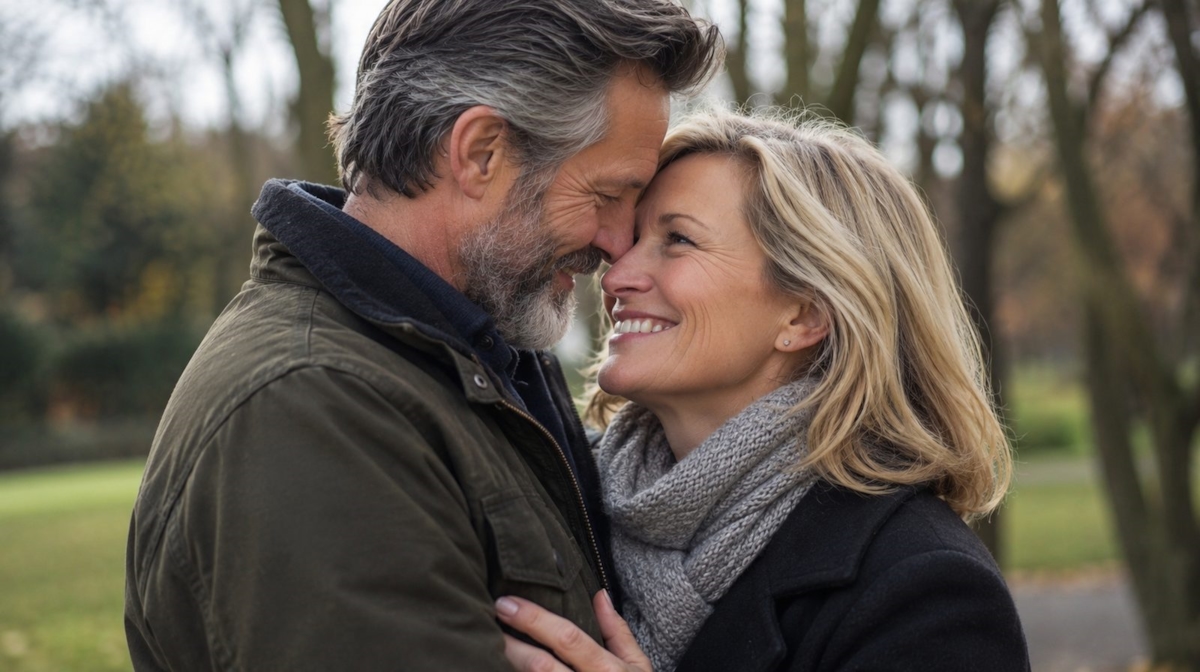
There is no handbook for this part of life. One day you are a husband or a wife, and then, sometimes suddenly and sometimes after a long illness, you are not. Months or years later, you might notice that you miss company, conversation or touch. Maybe a friend has suggested you try dating. Maybe the idea has crept up on you while you were watching a couple laugh in a café. Whatever brought you here, it is normal, and you are not alone.
You are allowed to want company
Wanting someone to share dinner with does not mean you loved your late partner any less. Many widowed people say the opposite: a good marriage taught them how much they value partnership, and that is why the empty chair feels so loud. Love for the person who died does not need to end for new love to begin.
Guilt is common, and it usually softens
Most widows and widowers feel some guilt when they first think about dating. You may imagine what your spouse would say, worry about what the neighbours will think, or feel disloyal for enjoying someone's company. It can help to ask yourself what your late partner would have wanted for you. Many people realise the answer is simple: they would have wanted you to be happy and not alone.
If guilt feels heavy or constant, a grief counsellor, a hospice bereavement program or a widowed persons' group in your area can help. Dating is not a cure for grief, and nobody should rush you.
Is it too soon?
There is no correct waiting period. Some people feel ready within a year, others after five or ten, some never want to date again, and all of those are valid. Instead of counting months, notice how you feel:
- Can you talk about your spouse without the whole conversation becoming about the loss?
- Are you curious about new people, or mainly looking for someone to fill a gap?
- Do you have some energy for plans, phone calls and the small effort dating takes?
- Would you be able to cope if a date did not work out?
If you are mostly saying yes, you may be ready to try. Our article on grief and dating readiness goes into more detail.
Telling family and friends
Adult children often have the strongest reactions. Some are delighted, some feel protective, some are still grieving their parent and find it hard. You do not need their permission, but sharing your plans calmly can help. Explain that nobody is being replaced and that you would like their support. Give them time to adjust. Friends who were part of your life as a couple may also need a little time.
Dating has changed, and that is fine
If you last dated in the 1970s or 80s, online dating can feel strange. It is now one of the most common ways adults over 50 meet. The basics are simple: you create a profile with a few photos and some words about yourself, browse people in your area, and send messages to anyone who interests you. On a widow-focused site, people understand your situation before you say a word.
Writing your profile
Use recent photos that show your face clearly, ideally one smiling and one doing something you enjoy. In your profile, lead with your life now: the dog you walk, the grandchildren you visit in Kelowna, the choir you sing with. Mention that you are widowed in one calm sentence if you like. Say what you hope for, whether that is friendship, companionship or a relationship. Our profile guide has examples.
First messages and first conversations
Keep first messages short, warm and specific. Mention something from their profile and ask a question. If writing feels stiff, a short voice note in private messages can feel more natural, especially if you were the one who always made the phone calls. You do not need to share your whole story at once. Let trust build over a few conversations.
Your first date
Choose somewhere public, familiar and easy to leave: a coffee shop, a garden centre café, a museum, a walk along a busy waterfront. Daytime is often easier. Tell a friend where you will be, arrange your own transport, and keep it to an hour or two. It is normal to feel nervous, and it is normal if the first date does not lead anywhere. Treat it as practice in being yourself with someone new.
In winter, have an indoor plan. In smaller towns, you might prefer a café one town over, so you can get to know someone without the whole community commenting.
Talking about your late spouse
It is fine to mention your husband or wife, and a kind date will be glad to hear about them. Try to keep a balance, so the conversation includes your life now and theirs too. If you meet another widowed person, you may find you understand each other quickly, which is one reason many people choose a site like ours.
Staying safe
Sadly, romance scammers often target widowed people. Be cautious if someone you have not met quickly declares love, says they work overseas, cannot video chat, or asks for money, gift cards or help with a "temporary" problem. Never send money to someone you have not known in person for a long time. Keep early chat on the dating site so you can report problems. Our Canadian safety guide lists the warning signs.
Be patient with yourself
Some days you will feel hopeful, other days you will want to delete everything. Both are part of the process. Take breaks when you need them. Celebrate small things: a pleasant conversation, a laugh, a coffee that felt easy. Whatever happens, you are learning how to live and love again, and that takes courage.
Frequently asked questions
How soon after losing a spouse is it okay to date?
There is no rule. Readiness depends on how you feel, not on how many months have passed.
Is it normal to feel guilty about dating after my spouse died?
Yes. Most widowed people feel some guilt at first. It usually softens with time and with good experiences.
Where can widows and widowers meet in Canada?
Through friends, community groups, faith communities, volunteering, and online on widow-focused sites such as Widows Dating Canada.
Should I tell a date that I am widowed?
Yes, when it feels right. Many people mention it briefly in their profile or early in conversation.